Category: blog

  • PA Brand Styles Order Today

    Palm Angels Apparel Care Pointers to Preserve Your Pieces Pristine

    You just spent substantial money on a Palm Angels hoodie, and the very last thing you desire is for it to seem wrecked after three washes. Trust me, I have been there—watching a flawless logo crack after one negligent tumble-dry cycle is a heartbreaker no streetwear collector should face. Palm Angels pieces are manufactured with top-notch materials and painstaking Italian craftsmanship, but that won’t make them resistant against regular wear and tear. With retail prices between $200 and $2,000 depending on the piece, caring for your garments right is less about being paranoid and more about being intelligent with your spend. In 2026, the resale market for well-maintained Palm Angels items is more active than ever, with pieces in excellent condition fetching 50 to 80 percent of original retail on platforms like StockX and Grailed. This guide is your practical handbook for preserving every Palm Angels item staying pristine as the day you opened it.

    Reading the Care Label Like It Seriously Matters
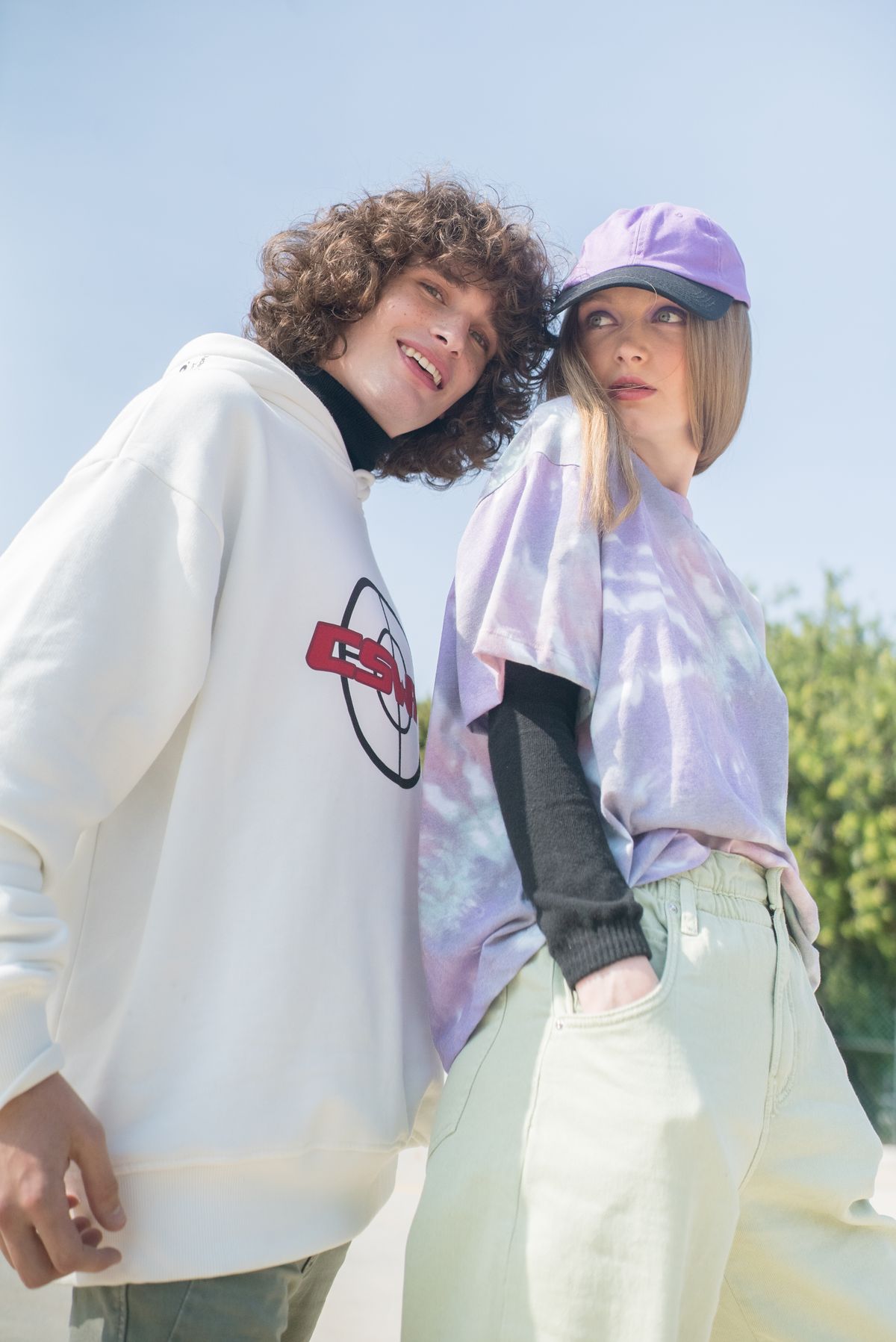
    I know—nobody studies care labels. But Palm Angels prints specific washing and drying instructions on every garment for a reason, and overlooking them is signing up for fabric damage. Most cotton pieces specify washing at 30 degrees Celsius or cold water, which click here inhibits fiber breakdown and keeps colors set. The label states whether tumble drying is safe (spoiler: most pieces should not be machine-dried on high heat) and whether ironing is suitable for the specific fabric. Dry-clean-only labels are found on certain outerwear, leather-trimmed items, and pieces with fine embellishments that should not survive water submersion. Pay heed to material composition—a 100 percent cotton piece reacts very differently from a cotton-polyester blend or nylon track jacket in the wash. Taking thirty seconds to check the label before every wash is the single most basic habit separating a pristine wardrobe from a dull, distorted mess. Saving images of care instructions for each piece provides a quick-reference system stopping mistakes on rushed laundry days.

    Washing Your Palm Angels Garments the Best Way

    Machine Washing Guidelines

    Turn every Palm Angels garment inside out before tossing it in the machine—this safeguards printed graphics, embroidered logos, and exterior surfaces from friction against other clothes and the drum wall. Use a mesh laundry bag for smaller or fragile items like T-shirts and breathable joggers for an bonus protection layer. Choose the gentle or delicate cycle, which uses slower agitation and spin speeds much kinder to quality fabrics than default cycles. Cold water is essential; anything above 30 degrees Celsius accelerates fading, invites shrinkage in cotton blends, and weakens heat-pressed graphic adhesive. Use a soft, pH-neutral liquid detergent rather than powder, as leftover granules create residue on dark fabrics and create fiber-wearing friction. Never cram the machine—give your pieces room to circulate freely for effective cleaning without bunching or distorting. Skip the fabric softener wholesale, as it blankets fibers with waxy residue that diminishes colors and reduces breathability.

    Hand Washing Delicate Pieces

    For your most cherished items—limited-edition collaborations, pieces with detailed embellishments, or anything with a dry-clean recommendation you wish to clean at home—hand washing is the ultimate approach. Fill a spotless basin with cold water and introduce a tiny amount of pH-neutral liquid detergent, stirring to disperse before dipping the garment. Let the piece steep for ten to fifteen minutes without agitation, giving time for detergent to remove dirt gradually. Lightly squeeze fabric sections without twisting, contorting, or scouring, all of which damage shape and destroy surface treatments. Drain and refill with clear cold water for rinsing, continuing the delicate process until detergent is thoroughly removed. Squeeze the garment flat against the basin side to eliminate excess water rather than wringing. Hand washing requires more time, but for pieces valued at $500 or more, those extra minutes are a smart longevity investment.

    Drying Strategies That Shield Your Investment

    Air drying is the gentlest method for almost every Palm Angels garment in existence. Lay the item flat on a spotless, dry towel—a bath towel on a drying rack functions wonderfully—and reshape gently with your hands to original measurements while still damp. Never try hanging heavy items like hoodies on hangers to dry, as waterlogged fabric weight stretches shoulders and necklines into unintended shapes. If you have to use a hanger, select a padded wide-shoulder version only for lightweight T-shirts that will not misshape. Keep drying garments away from direct sunlight, which hastens color fading on darks and causes yellowing on whites. Tumble drying should be an total last resort—use the lowest heat or air-fluff setting and remove while still somewhat damp to finish air drying. Never use radiators, space heaters, or hair dryers, as concentrated heat produces patchy drying that damages fabric and shatters prints.

    Putting Away Palm Angels Pieces for Optimal Longevity

    Garment Type Best Storage Avoid Extra Protection
    T-shirts Stacked in drawer or on shelf Wire hangers, overcrowding Acid-free tissue between folds
    Hoodies and sweatshirts Folded on shelf Hanging (stretches shoulders) Cedar blocks for moth prevention
    Track jackets Padded hanger in closet Tight spaces, direct sunlight Cotton garment bag
    Sweatpants and joggers Folded in drawer Hanging by waistband Silica gel packets for moisture
    Outerwear Wide-shoulder hanger in garment bag Compression, plastic bags Climate-controlled closet

    Dealing with Stains Without Wrecking the Fabric

    Stains happen, especially when your beloved Palm Angels tee doubles as your going-out shirt, so understanding how to manage them without alarm is vital. The number one rule is to treat it promptly—the longer a stain lingers, the deeper it sets with fabric fibers. Press gently with a unused, damp cloth rather than rubbing, because rubbing works the substance deeper and smears it further. For oil-based stains like food grease or cosmetics, sprinkle cornstarch or baking soda on the area, let it sit fifteen minutes to pull oil, then brush off before washing. Water-based stains from coffee, juice, or wine respond well to cold water mixed with a drop of mild detergent, applied with a soft-bristled brush. Skip bleach entirely—even on white Palm Angels garments—because chlorine eats away at cotton fibers and causes yellowing or inconsistent color removal. For stubborn stains that resist home treatment, take the garment to a professional cleaner specialized with luxury streetwear and indicate the stain type so they select the proper solvent.

    Caring for Prints, Graphics, and Embellishments

    The striking graphics and logo treatments that make Palm Angels aesthetically distinctive are among the most delicate elements during laundering. Screen-printed graphics should never be ironed directly—iron inside out with a pressing cloth between iron and fabric to prevent heat transfer to the print. Embroidered logos are more resilient but can still undergo pulling and thread loosening if washed carelessly or at high temperatures. Heat-pressed vinyl graphics are particularly susceptible to dryer and iron heat, which loosens adhesive causing peeling, cracking, or shifting. When folding for storage, skip creasing directly through printed areas, as repeated folding in the same spot creates stress lines that eventually crack through designs. For pieces with rhinestones, studs, or metallic hardware, hand washing is typically safest since machine agitation dislodges settings. These habits might appear like overkill for a T-shirt, but when that shirt costs $350 and features an limited-edition limited-edition graphic, mindful handling is the only logical move.

    Seasonal Rotation and Long-Term Care

    Swapping out your collection seasonally is one of the wisest care strategies, needing barely any effort for peak payoff. Wash every piece before putting it away—never store dirty garments, as body oils and perspiration draw insects and fix permanently over time. Use cotton cotton garment bags rather than plastic dry-cleaning bags, which lock in moisture and foster mildew. Adding cedar blocks or lavender sachets offers natural moth defense without chemical residue. Store garments at consistent temperatures between 60 and 75 degrees Fahrenheit with relative humidity below 55 percent to avoid mold and fiber decay. For multi-season archiving of collectible pieces, use acid-free tissue between folds and a shaded location defending against light-induced fading. According to garment conservation specialists, properly stored cotton clothing preserves near-original condition for years, meaning your 2026 Palm Angels pieces could look superb in 2036. The official Palm Angels site now and then publishes collection-specific care tips worth bookmarking.

    Quick-Reference Care Checklist

    Let me break everything into a straightforward routine for every Palm Angels wash day. Before washing, flip the garment inside out and examine pockets for anything that could cause issues. Wash on gentle cycle with cold water and soft liquid detergent, using a mesh bag for graphic-heavy pieces. Pass on the dryer and lay flat on a dry towel to air dry away from sunlight and heat sources. Store folded on shelves for knitwear and heavy items, and use padded hangers inside breathable bags for jackets. Manage stains immediately by blotting and spot-cleaning. Rotate seasonally, cleaning everything before long-term storage with natural insect repellents in your bins. This routine takes practically no extra time compared to rough laundering, but the gap after a year of wear will be remarkable. For fabric-specific tips, retailers like Farfetch provide care guidance on individual product pages adding to the garment’s own label.

  • Jordan Limited Store Chicago OG Classic

    Ultimate Jordan Sneakers for On-Court Performance on the Court

    Jordan Brand sits at a unique position between legacy and modern technology when it comes to basketball performance sneakers. The label built its reputation on Michael Jordan’s six NBA championship wins, and in 2026 it continues to outfit NBA pros while serving millions of amateur players who demand true basketball performance. But here’s the issue: with over 40 signature models and scores of variations, figuring out which Jordans truly hold up on the court demands thorough investigation. Not every Jordan is made for basketball in 2026 — retro models from the ’80s and ’90s lack current tech, while current signature lines feature advanced cushioning and stability that rival anything out there. This breakdown reviews the finest Jordan basketball shoes for court play in 2026, assessing each across impact absorption, court grip, stability, weight, and court feel.

    What Makes a Elite Basketball Shoe in 2026

    The modern game of basketball requires multi-directional movement — bursts of speed, lateral shuffles, sudden stops, vertical jumps — and cushioning needs to manage shock without sacrificing energy return. Traction is arguably the most critical quality, because a shoe that slips on dusty courts is really dangerous, elevating risk of rolled ankles and knee problems. Support includes external structures like outriggers and heel cups plus the sneaker’s power to lock your foot during intense direction changes. Shoe weight has turned into vital as the game becomes quicker, with professional guards preferring shoes under 14 ounces while big men tolerate up to 16 for additional ankle support. Breathability prevents overheating that reduces grip and comfort during prolonged sessions. The optimal shoe balances all five features without heavily compromising any single one.

    Air Jordan 38: The Flagship Court Weapon

    The Air Jordan 38 is the pinnacle of Jordan Brand’s performance technology, combining Formula 23 foam with a full-length Zoom Air Strobel that provides an outstandingly responsive ride. At 13.8 ounces in a men’s size 10, it blends lightweight agility with cushioning that shields knees and ankles during high-impact action. The woven Jacquard upper reinforced with Flywire cables holds the foot down during side-to-side All Jordans collection motion while remaining ventilated for extended contests. Traction is excellent — the herringbone outsole grips both pristine and dirty courts with confidence, and the outsole rubber holds up for a complete casual season of 3-4 games each week. The midfoot plate offers midfoot stiffness during crossovers and defensive slides. At $200 retail, it competes with the LeBron 22 and offers what most critics consider the most impressive Jordan playing experience since the Jordan 28.

    Jordan Tatum 3: Premier Affordable Basketball Sneaker

    At $130, Jayson Tatum’s third personal shoe has become the broadly recognized greatest-value basketball sneaker of 2026, providing elite on-court capability. The React foam midsole with forefoot Zoom Air delivers sustained support while offering spring for powerful initial bursts and rim finishes. At 12.9 ounces, it’s one of the most lightweight performance shoes out there, excellently suited for point guards and wings prioritizing speed. The technical mesh upper molds to the foot after short adjustment, and the internal heel cup secures the ankle without restricting range of motion. Grip uses wide-spaced herringbone grooves that direct dust away, keeping traction on poorly maintained courts. Various NBA athletes beyond Tatum have been observed wearing it in games — the definitive testament of court-ready credibility.

    Air Jordan 37: The All-Around Court Shoe

    The AJ37 may be technically previous-generation, but it stays widely in stock at discounted prices and still stacks up with current models. The Lenoweave upper is simultaneously light, ventilated, and supportive — a material innovation influencing Jordan’s whole court shoe range. Dual-stacked Zoom Air in both forefoot and heel creates court feel impressively close to barefoot while offering genuine cushioning. At 14.1 ounces, it’s a bit more substantial than the Tatum 3 but counters with superior ankle stability from its higher collar height and Flywire system, which makes it excellent for bigs and big men. The outsole court grip is among the most grippy in the catalog, with substantial grooves that bite even during hard side-to-side movements. Initially $185, it now retails for $120–$140 — arguably the best value-for-performance in Jordan’s catalog.

    Jordan Luka 3: Engineered for Skilled Playmakers

    The Luka 3, built for Luka Dončić’s skill-based approach, targets hoopers who depend on footwork and body control over raw athleticism. The complete Zoom Strobel rests right under the foot, producing a court-hugging sensation that enhances balance during step-back jumpers and Euro-steps. The broad foundation and enlarged outrigger deliver stability among the best in Jordan’s catalog, which makes it suited for bigger players or those with ankle instability. Outsole traction uses a rotational pattern enabling pivot moves and rotations central to Dončić’s game, however traction declines slightly on very dusty courts. At $140 with expanded sizing up to 18, it’s attainable to big men who find it hard finding performance shoes in their size. If you emphasize precision over pure explosiveness, the Luka 3 excels at what it was built to do.

    Model Price Weight (Size 10) Cushioning Best Position Rating
    Air Jordan 38 $200 13.8 oz Formula 23 + Zoom Air Any position 9.5/10
    Jordan Tatum 3 $130 12.9 oz React + Zoom Air Guards and wing players 9.0/10
    Air Jordan 37 $120–$140 14.1 oz Dual Zoom Air Universal 8.5/10
    Jordan Luka 3 $140 14.3 oz Zoom Strobel Floor generals 8.5/10

    Retro Jordans on the Court: What Truly Works

    The temptation to play in retros is understandable, but performance limitations make most retro models subpar options for competitive basketball in 2026. Retro releases use ’80s and ’90s technology — traditional Nike Air that provides minimal cushioning but doesn’t have the responsiveness and rebound of modern Zoom Air and React foam. The Air Jordan 11 Retro is the one notable exception many players continue to regard as playable, owing to its carbon fiber plate and complete Air unit, though even it doesn’t reach 2026 modern basketball shoes. Traction on retros uses older rubber formulas that wear faster and offer weaker grip, particularly on dusty pickup courts. Retro materials — heavy leather, bulky collars — add considerable weight, averaging 16-18 ounces against 13-14 for modern shoes. Research in the British Journal of Sports Medicine has demonstrated that external ankle support from high-tops is less protective than ankle strengthening exercises. Reserve your retros for lifestyle wear and buy purpose-built court shoes for the court.

    Picking the Right Jordan for Your Play Style

    To pick the best sneaker, you must do an realistic analysis of your style of play, court position, and court environment. Point guards who depend on pace should seek out featherweight shoes with springy forefoot cushioning — the Tatum 3 dominates here at under 13 ounces with Zoom Air forefoot units. Versatile forwards and versatile forwards need well-rounded cushioning for attacking the rim and catch-and-shoot — the AJ38 and AJ37 fill this function brilliantly. Centers should examine the Luka 3, which delivers outstanding balance during rebounding without losing impact protection. Indoor players can opt for tackier rubber compounds for hardwood bite, while outdoor players require more durable, more resilient rubber. Injury history should guide your selection — ankle problems call for wide-base shoes, knee concerns demand top-level cushioning. Try shoes in-store if possible, running through basketball movements like lateral shuffles and jump stops to assess on-court performance.

    Looking After Your Basketball Jordans

    Basketball hooping shoes get worn hard, and appropriate maintenance increases performance life by weeks to months. Clean the outsole after every single playing session with a stiff brush and warm water to clear outsole grooves — filled grooves are the main reason shoes stop gripping. Give shoes to air dry fully between wears, which takes 12-24 hours, because residual wetness weakens midsole foam and encourages bacteria that cause odor. Switch between a minimum of two pairs if you hoop more than two times a week, as this allows cushioning foam fully decompress between games. Retire court Jordans after approximately 75-100 hours of court time — midsole cushioning degrades without visible signs long before traction exhibit signs of use. Keep at normal temperature away from radiators that hasten foam breakdown. These routines aren’t just about longevity — they’re about staying healthy, because degraded midsole cushioning contributes to bone stress injuries, heel pain, and twisted ankles.

    For the comprehensive Jordan court shoe range, visit the Jordan Brand basketball collection on Nike.com.

  • Elite Interior Firm Serving Business Bay And Downtown

    Finest Interior Fit-Out Firms for Retail in Dubai

    In Dubai, retail fit-out is a race against the clock, the lease and the customer’s first impression at the same time A store, kiosk or showroom must meet a mall landlord’s strict handover conditions and still open on the date the lease demands In 2026, brands opening in Dubai’s flagship malls or high-street locations along Sheikh Zayed Road need fit-out partners who can move fast without cutting corners on approvals This guide is written for retail operators and brand managers, not casual browsers, and it profiles real Dubai fit-out and design firms with proven retail experience Each company is described in neutral terms, with no invented client names, awards or fixed prices Retail spaces stand or fall on footfall, so the right contractor balances speed, brand fidelity, and compliance All cost and timeline figures later in the guide are 2026 market estimates, labelled as ranges

    How Retail Fit-Out Works in Dubai, Step by Step

    Every retail fit-out in Dubai begins with paperwork long before the first partition goes up Usually, you need a No Objection Certificate from the mall or building management, then a fit-out permit from the relevant authority Which authority applies, Dubai Municipality, the Dubai Development Authority, or Trakhees, depends on location, with Dubai Civil Defence signing off on fire and life-safety and DEWA handling utilities On top of that, mall operators impose their own tenant-coordination rules, hoarding standards and strict overnight working https://www.topinteriordesigncompanyindubai.com/review/dz-design/ windows, all familiar to a seasoned contractor Because retail leases are unforgiving, the ability to sequence design, procurement, and on-site works in parallel is what protects an opening date The firms below all understand this pressure and the approval landscape that governs it

    Depa

    Depa, part of the wider Depa Group, is one of the region’s largest interior contractors and was founded in 1996 Its scale means it can resource sizeable retail and mixed-use programmes that smaller outfits would struggle to staff The firm’s scope covers fit-out, hospitality, commercial, retail, and even marine interiors, reflecting decades of complex delivery For a flagship store or a multi-unit retail rollout, that contracting depth and supply-chain reach can be decisive Large contractors like Depa are often chosen precisely because they can absorb tight programmes and heavy joinery packages For ambitious or high-volume builds, retailers frequently start their search with an established contractor of this size

    Bond Interiors

    Operating since 1986, Bond Interiors combines fit-out delivery with in-house joinery and manufacturing from its Dubai Industrial City base Owning the joinery line is a genuine advantage in retail, where custom display units, counters and cabinetry shape the brand experience Making fittings in-house can also shorten lead times and tighten quality control, each critical when a store must open on schedule Its scope covers office, commercial, hospitality, retail and residential, so it moves easily between sectors Brands that rely on bespoke fixtures rather than off-the-shelf shelving will find that fabrication capability a real draw Retailers who want fittings made and installed by one accountable team often shortlist a manufacturer-contractor like this

    Bishop Design by Paul Bishop

    Bishop Design by Paul Bishop, founded in 2004, is known for bold, branded interiors across hospitality, food and beverage, commercial, and retail Based in Al Barsha near Sheikh Zayed Road, the studio is well established in Dubai’s experience-led scene Where a retail concept needs to stop shoppers mid-stride, a design voice built on boldness and branding is a genuine asset The firm’s crossover of food and beverage and retail suits today’s blended concept stores and lifestyle spaces A distinctive, brand-forward interior can lift dwell time and make a unit memorable in a crowded mall Retailers chasing a statement flagship rather than a quiet fit-out will find this studio’s positioning aligned with their goals

    Roar

    Roar, formerly Pallavi Dean Interiors, is a concept-driven, brand-led studio based in Dubai Design District (d3) Alongside hospitality, food and beverage, office and commercial projects, its retail work gives the team a rich experiential toolkit Concept-first thinking is valuable in retail, where the interior must translate a brand’s story into a physical journey Sitting in d3 keeps the studio close to fabricators, material libraries and the wider design community For a brand launching a new concept or refreshing a tired one, that narrative strength can shape a distinctive customer experience Retailers who see their store as a branded environment, not just a sales floor, are drawn to this approach

    H2R Design

    H2R Design spans London and Dubai from its base at The Courtyard, Al Quoz, and covers hospitality, food and beverage, retail, office and residential Its dual-city outlook can feed international retail references into a Dubai project Sitting in the Al Quoz creative district places the studio among galleries, makers and specialist suppliers useful to retail delivery A portfolio that mixes hospitality and retail suits the experiential, café-meets-store formats now common in Dubai malls Working across sectors helps the team design spaces that keep customers lingering and engaged If you want a design-led partner with an international sensibility and a local base, H2R Design is a natural candidate

    4SPACE Design

    A multidisciplinary studio, 4SPACE Design produces bespoke interiors across retail, commercial, hospitality and residential work Its range is useful for retail concepts that add cafes, lounges or event zones alongside the core sales area Bespoke delivery brings custom fixtures and tailored detailing instead of repeated, generic layouts The multidisciplinary structure supports coordinated lighting, materials, and joinery under one creative direction, which keeps a store visually consistent For brands building experience-heavy or hybrid retail formats, that integration reduces the number of parties to manage If you want a fully custom, layered environment, this studio’s range has clear appeal

    Retail Fit-Out Firms at a Glance

    The firms above group broadly into large contractors, joinery-led builders and design-forward studios Which you choose depends on whether your priority is scale, bespoke fabrication or brand storytelling Using only reference-level positioning, the table captures each firm’s stated focus, with no prices, ratings or client claims implied Treat it as a shortlist aid rather than a league table, since the ideal partner is the one matched to your specific concept and unit A flagship rollout, a single boutique and a food-and-beverage-retail hybrid each point toward a different strength Verify approvals experience, references and delivery method before hiring any firm for your store

    Company Focus Key strength Base / notes
    Depa Fit-out, retail, commercial, hospitality Large-scale contracting Est. 1996
    Bond Interiors Retail, fit-out, joinery In-house fabrication 1986; Dubai Industrial City
    Bishop Design by Paul Bishop Retail, F&B, hospitality Bold, branded design Since 2004, Al Barsha
    Roar Retail, F&B, office, commercial Concept-first, brand-led Dubai Design District (d3)
    H2R Design Retail, F&B, hospitality, office International and design-led London + Dubai, Al Quoz
    4SPACE Design Retail, commercial, hospitality Multidisciplinary, bespoke Broad project range

    Costs, Timelines and Approvals for Retail Fit-Outs in 2026

    Retail fit-out pricing in Dubai depends on brand standard, unit size, and how much shopfront work is involved In 2026, market estimates put mall retail fit-out at roughly AED 350 to AED 700 per square foot, while food and beverage concepts span about AED 400 for casual formats up to AED 1,500 or more for high-concept spaces Design-only fees are typically estimated at around AED 175 to AED 550 per square foot, or roughly 10 to 20 percent of the project budget Smaller retail fit-outs are estimated at about four to eight weeks, with bigger or more complex builds running longer Once documentation is complete, permit approvals are frequently processed within roughly three to ten working days, although mall coordination adds its own steps You can review official requirements through the Dubai Development Authority fit-out permit page and sector context via Caterer Middle East, with all figures here presented as 2026 market ranges

    The Bottom Line

    A successful retail fit-out in Dubai rests on design, delivery and compliance discipline in equal parts Match your concept to the firm’s core strength: scale for rollouts, joinery for bespoke fixtures, and concept craft for statement flagships Every firm profiled here has genuine retail credentials and a clear specialism you can verify through portfolios All prices and timelines above are labelled 2026 market estimates, rather than company-specific quotes, so bear that in mind Always obtain your No Objection Certificate and fit-out permit before starting on site to protect your opening date With the right partner, a Dubai store can convert heavy mall footfall into a genuinely memorable brand experience

  • Urban Dubai Collective Serving Clients Across Abu Dhabi

    Home Interiors in Downtown Dubai vs Bur Dubai: How the Two Compare

    Downtown Dubai and Bur Dubai stand only a short drive apart, yet they hand an interior designer a pair of very different briefs. One serves up new towers, branded residences and penthouse views against a skyline of glass and steel; the other is one of the city’s oldest quarters, layered with heritage buildings, mid-rise apartments and long-established communities. Your choice of designer, budget and style hinges on which of these two faces of Dubai you happen to be decorating. What follows unpacks the real differences between the areas in 2026, from price per square foot to permits, building rules and design taste. Rather than crowning a winner, the point is to help you match your project to the district it sits in. Treat it as a practical side-by-side rather than a league table, since the right answer shifts with every address.

    A quick look at both districts

    Centred on Burj Khalifa and The Dubai Mall, Downtown Dubai is dominated by high-rise apartments, serviced residences and a handful of ultra-prime penthouses. Here the interiors run contemporary, hotel-inspired and finish-driven, as owners frequently compare their homes to the five-star lobbies nearby. Bur Dubai, running along the Creek and taking in Al Fahidi, Mankhool, Oud Metha and Karama, is older, denser and far more mixed. You will find heritage wind-tower houses a few streets from 1990s apartment blocks and newer mid-rise developments. The clientele is broader as well, covering long-term residents, landlords refreshing rental units and families renovating homes they have owned for years. In short, Downtown sells newness and views, while Bur Dubai rewards character, value and sensitive updates. Identifying which of simple bedroom design these two logics governs your address is the first step to a realistic brief.

    Aesthetics and client expectations

    Downtown briefs often lean toward quiet luxury, warm minimalism and smart-home integration, the dominant residential moods across Dubai in 2026. Open-plan living, full-height glazing and polished surfaces play to the skyline, so designers foreground lighting design, joinery and statement stone. Studios like Luxury Antonovich Design, based in Downtown Dubai, occupy the ornate, palace-scale end, whereas firms such as Muse Design and Zen Interiors deliver more restrained contemporary residential schemes. Bur Dubai projects often ask for something different: durable, practical interiors that respect older layouts and sometimes heritage constraints. Here the discussion often centres on reconfiguring compartmentalised rooms, improving storage and modernising kitchens and bathrooms without a full structural overhaul. Look for warmer, more eclectic palettes that nod to the district’s past rather than the glossy, gallery-white look so common in the towers. Kitchen and joinery specialists like Venezia Designs and Al Banan Group are frequently brought in for these bespoke updates in either district.

    What it costs per square foot

    It is on money that the two districts separate most clearly. As a 2026 guide, mid-range residential fit-out lands around roughly AED 200 to 400 per square foot, while luxury apartments and penthouses can reach AED 600 to 1,200 and beyond for the most exacting specifications. Because of premium finishes, imported materials and the expectation of a turnkey result, Downtown projects lean toward the upper half of that range. A two-bedroom Downtown apartment of around 1,100 to 1,500 square feet might sit anywhere from AED 400,000 to 750,000 at mid level, and comfortably pass AED 800,000 to 1.8 million when specified as high-end, all figures being 2026 market ranges rather than fixed quotes. Bur Dubai renovations more often land in the budget-to-standard band of roughly AED 75 to 250 per square foot, especially where the goal is a clean, rentable refresh. Across both districts, design-only fees generally run about 10 to 20 percent of the project budget, or AED 175 to 550 per square foot on a standalone basis.

    Buildings, permits and approvals

    In both districts you need formal approval before any fit-out begins, but the path depends on the building and its authority. Most of Bur Dubai sits under Dubai Municipality, so renovations there usually follow the standard path of an NOC from the building owner or management, then a fit-out permit, with Dubai Civil Defence stepping in for fire and life-safety items. Parts of Downtown Dubai fall inside master-developer communities, which can add a layer of community approval and tighter contractor accreditation on top of the municipal process. Older buildings in Bur Dubai sometimes hold surprises, such as ageing MEP systems, non-standard layouts or heritage overlays in areas like Al Fahidi that limit external changes. Newer Downtown towers tend to have clearer, better-documented rules, yet they also impose tighter working hours, material-delivery windows and noise limits. As a 2026 estimate, straightforward approvals commonly take about three to ten working days once paperwork is complete, though community sign-offs can extend that.

    On-site timelines and logistics

    Beyond permits, the day-to-day of running a job changes between the areas. As a 2026 planning estimate, a mid-size apartment refit generally takes about six to ten weeks of combined design and fit-out, but Downtown’s tower logistics can push that out. Single service lifts shared across dozens of units, strict move-in windows and security check-ins all slow material handling in tall buildings. Bur Dubai’s low- and mid-rise stock is usually easier to load into, though narrow older streets, limited parking and tight service cores bring their own friction. Downtown contractors also plan around peak footfall near The Dubai Mall, while Bur Dubai crews navigate dense, mixed-use blocks with active ground-floor retail. Working these realities into the programme early is what keeps either project on track. Fit-out contractors like USBC Interiors and MGM Interiors plan mobilisation, deliveries and snagging around these constraints from the outset.

    Downtown Dubai vs Bur Dubai: at a glance

    The table below distils the main contrasts into a single view for quick scanning. Use it as a starting filter rather than a strict rulebook, since individual buildings vary widely. Prices are 2026 market estimates and shift with specification, materials and timing. This comparison assumes a typical residential project, not a commercial or hospitality fit-out. Both columns describe tendencies rather than guarantees, so always confirm the specifics for your exact address. Treat the heritage and community notes as the points most likely to affect your programme.

    Factor Downtown Dubai Bur Dubai
    Typical property New high-rise apartments, penthouses and branded residences Mid-rise flats, older blocks and heritage-adjacent homes
    Leading style Contemporary quiet luxury with a hotel-inspired feel Practical, warmer, character-led refreshes
    Fit-out cost per sq ft (2026 est.) AED 400 to 1,200+ AED 75 to 300
    Primary authority Dubai Municipality plus community approvals Dubai Municipality
    Common goal Premium turnkey finish A value refresh, rental-ready update
    Logistics on site Tower lifts and strict delivery windows Older service cores, tight streets

    Which area is right for your project?

    The right choice hinges less on prestige and more on what you genuinely need from the space. Where you want a turnkey, finish-led home that trades on views and matches the tone of nearby hotels, Downtown Dubai rewards the higher budget it asks for. Where you value character, larger floor plans for the money, or a sensible refresh that protects rental yield, Bur Dubai frequently gives you more room to work with. Weigh your tolerance for approvals as well, since Downtown’s community layers add polish but also process, whereas Bur Dubai’s older buildings swap smoother permits for occasional structural surprises. Whichever district you land in, brief your designer on budget band, timeline and building rules at the very first meeting. This turns the Downtown-versus-Bur-Dubai question from a dilemma into a simple matter of fitting the plan to the place.

  • Casablanca Clothing Chic Aesthetic Seasonal Price Drop

    Why Proper Handling Is Important for Casablanca Clothing

    Casablanca clothing is crafted with premium fabrics, intricate prints and careful construction that support its luxury prices. In 2026, with the price of a individual silk shirt sitting between 700 to 1 200 dollars and knitwear from 450 to 900 dollars, treating these garments with the same care as cheap basics is a fast path to disappointment. Careful maintenance protects the vibrancy of prints, the suppleness of fabrics and the shape of silhouettes, confirming that each piece delivers service over numerous seasons rather than only a handful of months. Beyond defending your monetary investment, thoughtful care is an green commitment: garments that last longer create less waste and minimise the need for substitute purchases. This resource offers detailed, hands-on advice for treating every primary fabric group in the Casablanca range—silk, cotton, knitwear, fleece and combination materials—along with keeping, stain management and restoration strategies that will lengthen the life of your wardrobe substantially.

    Washing Silk Shirts, Dresses and Scarves

    Silk is the most fragile fabric in the Casablanca lineup and requires the closest care. Invariably check the washing instructions first, as some silk pieces are labelled dry-clean only while others support gentle hand-washing. For hand-washing, fill a tub with cold water no warmer than 30 degrees Celsius and pour in a tiny amount of gentle detergent purposely formulated for silk or sensitive fabrics. Submerge the garment, gently agitate for one to two minutes without rubbing or pulling, then pour away and wash with clean cold water until all suds is gone. To dry, spread the piece flat on a absorbent towel, roll the towel to squeeze out excess water and then transfer the garment to a airer in a airy area away from direct sunlight and heat sources. Never squeeze silk, as the material can deform permanently, and never peg damp silk, https://casablanca-brand.com as the load of the water can pull the fabric out of shape. For getting rid of wrinkles, use a compact steamer held at a small gap from the fabric rather than pressing directly with an iron, which can cause stains or singe marks on silk. If specialist cleaning is preferable, find a trusted cleaner experienced with silk and stipulate that no heavy pressing should be performed.

    Washing Cotton T-shirts, Hoodies and Sweatpants

    Cotton pieces—such as T-shirts, hoodies, sweatpants and cotton shirts—are the easiest to care for items in the Casablanca collection but still benefit from careful handling. Reverse all cotton garments inside out before washing to shield outer prints, embroidery and the exterior of the fabric from friction with other items in the machine. Use a soft or careful cycle at 30 degrees Celsius with a soft wash detergent; skip dry detergents that can create traces in fleece material. Do not crowd the washing machine—garments require space to circulate and flush fully. Avoid fabric softeners, which cover cotton fibres and gradually reduce the original smooth feel and breathability of fleece and terry cloth. For drying, line drying is always the most reliable option: spread dense items like hoodies flat or hang them on wide hangers to minimise neckline stretching, and guarantee sufficient airflow to avoid stale scents. If you absolutely must use a tumble dryer, pick the gentlest heat setting and extract items while still marginally not fully dry to stop over-drying, which triggers shrinkage and wears out elastane in ankle bands and waistbands. Consistent care using these methods will keep your cotton Casablanca pieces staying new and constructionally solid for years.

    Casablanca Fabric Care Essential Chart

    Textile Wash Method Temperature Dry Method Key Notes
    Silk Hand-wash / professional clean Max 30 °C Flat dry, no sun No wringing, steam only
    Cotton (heavyweight) Machine gentle cycle 30 °C Hang flat or hang Inside out, no softener
    Cotton (lightweight) Machine delicate cycle 30 °C Hang or gentle tumble Take out promptly
    Knitwear (wool) Hand wash / gentle Max 30 °C Flat on rack Reshape while damp
    Knitwear (cotton) Machine in protective bag 30 °C Flat on rack Use fabric shaver
    Cotton terry Machine gentle cycle 30–40 °C Air-dry or gentle tumble No softener

    Caring for Knitwear

    Casablanca knitwear—spanning light cotton sweaters to merino crewnecks and premium cardigans—calls for a equilibrium between hygiene and minimal handling, because excessive washing speeds up material degradation and bobbling. The best method is to hang out knitwear between wears, suspending it in a breathable space for some hours to shed dampness and scents before storing. When washing is needed, manually launder in cool water with a gentle detergent or use a machine’s fine cycle inside a fine wash bag. After washing, lightly squeeze out water without pulling, rest the garment flat on a absorbent towel and mould it to its intended dimensions while damp. Drying flat avoids the distortion that results when dense wet knits are hung on hangers. Fuzzing is a natural process with fine-gauge knitwear; using a cashmere comb or a cashmere comb regularly eliminates pills and brings back a smooth surface. Stow knitwear flat on shelf space rather than on hangers, as suspending can distort shoulders and pull the body over time. Cedar balls or lavender sachets in chest drawers can work to repel moths, which are drawn to organic fibres like wool and cashmere.

    Keeping Tips

    How you organise Casablanca clothing between wears and between months has a substantial influence on its endurance. Shirts, blazers and outerwear should hang on shaped or wide wooden hangers that support the shoulders without leaving marks. Stay away from wire hangers, which can cause impressions and stretch shape. Thick knitwear and sweatpants should be folded and put on shelves or in drawers, with bulkier items on the bottom to stop squashing of more delicate pieces above. For long-term storage—such as packing winter items during summer—use breathable fabric protectors rather than vinyl covers, which retain moisture and can cause staining or damp damage. Store garments in a moderate, airy space with stable temperature; stay away from attics, basements and garages where heat and moisture swing. Sunlight is one of the most damaging dangers of colour: even ambient light over prolonged periods can fade vivid prints and dyes, so store put-away clothing away from windows. From time to time inspect stored items for indications of moth damage or mildew, and handle any problems without delay. These organisation habits are especially vital for patterned silk pieces, whose vivid colours are the most susceptible to light degradation.

    Stain Handling and Fixes

    Spots are an natural part of using clothes in the everyday world, and immediate action is the most effective defence. For fluid spills on any Casablanca fabric, blot immediately with a absorbent, dry cloth or paper towel—never rub, as this pushes the stain further in and can widen it. For common stains like wine, coffee or food, pat softly with a cloth wetted in cool water and a minimal amount of soft soap, working from the outside of the stain inward to minimise spreading. For oil-based stains, apply a modest amount of baking soda or talcum powder on the mark, let it work for 15 minutes, then wipe away lightly and follow up with a gentle detergent. Always check any treatment product on an unseen area of the garment first to rule out discolouration or surface damage. For persistent or serious stains on silk, bring the garment to a professional cleaner as soon as possible rather than risking DIY methods that may create lasting damage. Small repairs—loose buttons, minor seam gaps, pulled threads—can be managed at home with simple stitching skills or taken to a tailor. Addressing these problems immediately stops them from escalating during later wears and washes. With diligent stain management and prompt repairs, Casablanca clothing can keep in superb state through many years of pleasure. For the brand’s own care advice, check the product pages on casablancaparis.com and broader fabric care guides on The Spruce.

  • Designer Eric Emanuel Tracksuit Collection Hot Deal Active

    EE hoodie Purchasing Guide 2026: Sizing, Authenticity, Where to Buy

    This guide gives you the rapid answers you must have to pick the right Eric Emanuel hoodie in 2026: how it fits, how to confirm it’s real, and where to source the piece safely. Expect concrete, brand-specific details drawn from the manner the line is made and released, never abstract advice. Deploy this as a field manual before you check out.

    Eric Emanuel hoodies rest at the intersection of luxury craftsmanship and nostalgic 1990s sportswear. The DNA remains consistent: heavyweight premium cotton fleece, relaxed-to-oversized profiles, crisp embroidery and flocked graphics, and color stories that reflect team palettes plus vintage athletic uniforms. The quality is in the details—reinforced seams, tidy topstitching, balanced rib-knit—and the fit is designed to be comfortable without sliding into sloppy.

    What defines an EE hoodie in twenty twenty-six?

    EE garments hinge on heavyweight fleece, premium finishing, plus a relaxed, boxy cut with space to layer. Graphics lean on embroidery and flocking over thin plastisol prints, and colorways cycle with seasonal releases and collaborations. The aesthetic reads premium streetwear built to be worn hard and styled high.

    The visual DNA borrows from 1990s courtside energy: bold colors, sport-informed typography, and varsity-coded graphics. Build quality favors durability—expect dense fleece with the substantial hand-feel, ribbed cuffs and waistband that rebound, a structured hood that’ll holds shape, and tidy tape or finish where panels join. Logo placement varies by season, more info about eric emanuel sweatpants but hallmark placements keep proportions balanced rather than exaggerated for notoriety. The end result is a hoodie that’ll reads elevated athletic rather than badge-driven hype bait.

    Fit and Fit: Quick Take

    EE pieces typically run true to the mark with a slightly relaxed, boxy cut. When you want one classic roomy fit, pick your regular size; size higher once for an intentionally oversized, flowing look that may swallow layers. Shoulder width runs broader and the body straighter versus a traditional fitted athletic hoodie.

    The construction is built for wearability first and shape second, which indicates the chest plus shoulder offer ease and the waistband doesn’t taper aggressively. Body length sits in a modern sweet range: not cropped, nor tunic-long, which keeps proportions clean paired with mesh shorts, trousers, or track bottoms. Since the brand’s fabric weight is substantial, sizing up adds noticeable volume; when you’re between measurements and prefer one neat shape, favor the lower number.

    Should EE run TTS?

    Correct, with a roomy lean. Most wearers can choose the standard unisex fit for a roomy but controlled silhouette. Only size up if you’re chasing an oversized look or layering a hoodie over heavier midlayers regularly.

    The shoulder slope and chest measure are forgiving, plus the armholes don’t pinch. If your frame runs narrow or one prefer a cleaner line, your typical size will feel roomy without extra fabric ballooning along the side seams. When your chest sits broad or you lift, the true-to-size call still works because the pattern already bakes into ease through the chest and armholes.

    Measuring yourself and a hoodie you trust

    Gauge once, buy true. Grab a hoodie one already like, place it flat, and record the pit-to-pit width and back length; match those with EE’s product dimensions when available. If product measurements aren’t being listed, use your body chest measurement and target a garment half-chest which is roughly 3 to 4 inches more generous than your flat half-chest for one relaxed fit.

    Kick off with your physical chest measurement recorded snug under the arms over one tee. Break by two to get your body’s laid-flat half-chest. Add 3–4 inches to that number to derive a comfortable pit-to-pit target for one relaxed silhouette in heavyweight fleece. For back length, compare to your baseline hoodie; aim within one inch for similar drape down the torso, adjusting slightly longer if you often style with high-rise pants or shorter if you prefer stacked proportions over shorts.

    Body type, layering, plus silhouette control

    Have your layering plan and proportions determine the size. When you stack hoodies beneath varsity jackets and puffers, maintain your usual size to prevent bulk lock at the armholes; when you wear your hoodie solo the majority of days, the true-to-size pick will always read relaxed. When you’re tall, body length consistency becomes your priority, so focus on back length parity with one hoodie you currently like.

    Heavier builds should count on the brand’s shoulder ease because the block doesn’t clamp the deltoids, plus the sleeves get cut to handle forearm mass without twisting seams. Lean frames chasing bulk can size upward once to emphasize drop and arm pooling, then offset with tapered joggers or structured shorts. If you’re short-waisted, one slightly shorter garment length keeps that boxy shape from overwhelming your stance.

    Measurement conversions and unisex fit reality

    EE hoodies are unisex, so focus on measurements over gendered size markers. Map your physical chest and one reference garment to the brand’s listed measurements whenever available, and consider sleeve length if you have longer limbs. When you’re converting from women’s sizing into unisex, your W size typically aligns one to 2 sizes down under unisex labeling, yet measurements always win.

    The relaxed block irons out many conversion pitfalls, especially at the chest and bicep. When sleeve length remains a persistent issue, prioritize back length and sleeve from shoulder point above the alpha size letter on your tag. When in doubt, compare pit-to-pit and back drop numbers, not merely S, M, and L across makers.

    Authenticity Checklist 2026: Catch Real vs Fake Fast

    Genuine EE hoodies read dense, hold their silhouette, and show consistent, clean finishing at every seam and graphic edge. Replicas typically reveal their flaws in lightweight fabric, sloppy ribbing, blurred embroidery borders, or else washed-out flocking. Reinforce your physical inspections with provenance: where it dropped, what entity sold it, alongside when.

    Since the brand depends on limited collection colorways and partnerships, counterfeiters chase loud graphics and desirable hues first. The buyer’s job is about match construction level, technique, and graphic proportions against confirmed references from the brand’s site or else reputable retailers from that season. When two or multiple authenticity points fail—and the seller can’t produce documentation or digital verification—walk away.

    What should a legitimate EE build feel like?

    Dense and stable. Authentic fleece carries heft in the hand, the hood maintains a dome instead of collapsing, and the rib-knit cuffs plus hem rebound crisply after stretch. Its body hangs plumb without twisting, while the seams lie flat without puckers.

    Once you pinch the fabric, you must feel plush volume rather than thin, papery layers. The interior face gets brushed and consistent, not patchy. Its drawcord is sturdy and sits evenly; grommets lie flush and don’t chew the cord. That garment should not ever feel flimsy or see-through under direct light.

    Tags, care tags, with graphics specifics

    Tags and care markings should present sharp typography, consistent kerning, and clean seam work with no errant threads obscuring print. Material content and care instructions should correspond with heavyweight cotton-blend fleece norms, and the tag’s text should not bleed into the base. Visual work—especially flocking plus embroidery—should have crisp edges, with no glue halos or else uneven pile texture.

    Stitched graphics on authentic pieces seats flat, featuring backside threads controlled neatly and zero bird’s-nest bunching around the turn along letters. Flocking must be evenly saturated and velvety, not irregular or sandy to the touch, and it should mirror the design’s edges precisely. Screen applications, when used, land with body alongside saturation rather versus chalky, brittle coating that cracks upon first stretch.

    Documentation that verifies legitimacy

    History closes the loop: legitimate order receipts from the brand or a collaboration partner, time-stamped product shots, and verifiable drop context. One seller should manage to show interior tags, seams, and visual details in sharp, bright photos that correspond to official product visuals from the launch window.

    Compare colorway names alongside graphic layouts against the brand’s web presence or archival media posts from the corresponding season. On platforms, review seller track record, feedback depth, alongside return policies; demand on transaction methods with buyer protection when provenance sits thin. Should the story, those tags, and the construction don’t align, the piece doesn’t pass.

    Where to Buy in 2026 Without Being Burned

    Favor the brand’s official site and confirmed partners for initial safety. For previous and sold-out releases, use established platforms with buyer protection and strong merchant verification. Avoid suspect webshops and DM DMs promising dramatic discounts on hot colorways.

    Drop cycles still hinge on seasonal drops and limited collaborations, with colorways cycling in and away quickly. Core silhouettes may recur with slight tweaks, whereas collaboration pieces drop on partner platforms as well plus the brand’s own. Timing and timing count: safe sources sell out fast, and questionable sources remain oddly stocked.

    Which official channels are safe?

    That brand’s official web platform is the core source of fresh hoodies, along plus in-person releases plus the brand’s announced pop-ups. Collaboration pieces with partners such as Adidas typically appear on both the partner’s site plus the brand’s platforms at release. Posts on official media accounts reliably mark dates, colorways, and any special distribution notes.

    Opting in to official newsletters keeps you aligned with drop schedules and prevents detours to unofficial vendors. As soon as the brand identifies retailer partners within a season and a collab, those partners are safe lanes; cross-verify that retailer on either ends if one is unsure. Any platform using brand visuals but missing support details, returns, and tax information must be treated as a counterfeit storefront.

    Resale marketplaces and secure practices

    Established marketplaces with buyer protection can prove reliable for sold-out colorways if the buyer demand clear proof. Ask for sharp interior label photos, macro photos of embroidery or velvet graphics, and flat-lay specs to match the fit targets. Decline off-platform payments plus insist on methods that allow challenges if authenticity breaks down.

    Review seller longevity, recent activity, and feedback for patterns indicating consistent quality. Stay wary of offers with stock photos or only official shots from the brand, and flag brand-new pieces tagged far below recent sale averages. When possible, compare specific release context—names, hues, and graphics—to drop-based references before you commit.

    Cost patterns, restocks, and timing

    Luxury streetwear pricing applies, with seasonal alongside collaboration colorways frequently appreciating on resale once sizes vanish. Restocks for exclusive colorways and collaborations are uncommon; recurring core styles might rotate back featuring updated color schemes. When you miss the drop, early secondary usually beats late resale as hype consolidates.

    Look for brief windows where prices dip—right post a drop or during multi-release weeks when attention spreads thin. Off-season windows can soften asking prices on bright palettes, while neutral basics tend often hold value consistently. Tracking a several transactions across platforms gives you one realistic buy-in target before you engage.

    Upkeep, Wear, and Long-Term Value

    Manage heavyweight fleece alongside specialty graphics using care to protect structure and finish. Wash inside reversed on cold, skip fabric softener, and air dry for maintain loft and prevent shrinkage. Manage flocking and embroidery gently to maintain edges crisp.

    Turn the hoodie reversed out to limit abrasion on designs and ribbing. Use a mild detergent, avoid bleach, then wash with matching weights to prevent pilling caused by rough textiles. Air drying on one flat rack preserves the hem level and the hood shape intact; one low-heat tumble only if necessary, yet never for flock-treated pieces. A sweater comb or fabric shaver can lift surface pills minus chewing the fleece if you move slowly and lightly.

    Laundering, pilling control, with print preservation

    Limit heat and friction. Cold water alongside low-spin settings decrease fiber agitation, plus washing inside out protects décor techniques like flocking alongside embroidery. Dry flat or hang at the body, rather than the hood, to help avoid stretching that neckline.

    Isolate fleece from zipper hardware and jeans to reduce snags and abrasion. Should pilling appears near high-friction zones, tackle it early using a gentle shaver and stop once fibers level off. For velvet graphics, avoid ironing directly on that surface; if necessary, use a barrier cloth on minimal heat from its reverse side to help relax minor creases.

    Wardrobe notes that preserve the silhouette intact

    Balance the boxy body with tapered track pants or neat shorts for keep the silhouette athletic and purposeful. When you size up, anchor the drape with structured footwear and a cleaner bottom block to help prevent the look from drifting to shapeless. Neutral tones expand your lineup, while bolder sport-coded palettes pair best when the remainder of the ensemble stays restrained.

    Wear over lightweight T-shirts to preserve shoulder shape and prevent stacking thick jackets that push that ribbing out. When you belt relaxed trousers, choose a hoodie length that’ll lands just beyond the belt line to maintain harmony. The silhouette ought to read composed from shoulder to hem even when relaxed.

    Quick Reference Fit Goal Table

    Use this neutral calculation math to convert your body circumference into a target garment pit-to-pit for a relaxed EE silhouette. The formula adds ease onto your body girth and divides via two to project flat garment width. Match the goal pit-to-pit to published measurements when provided.

    Physical chest circumference (in) Added ease added for relaxed fit (in) Ideal garment pit-to-pit (in) Physical chest circumference (cm) Added ease added yielding relaxed fit (cm) Ideal garment pit-to-pit (cm)
    34 6 20.0 86 15 50.5
    36 6 21.0 91 15 53.0
    38 7 22.5 97 18 57.5
    40 7 23.5 102 18 60.5
    42 8 25.0 107 20 63.5
    44 8 26.0 112 20 66.0
    46 8 27.0 117 20 68.5
    48 8 28.0 122 20 71.0

    Precisely how the math works: target pit-to-pit equals body chest plus ease, divided through two. Choose six inches of room for cleaner generous fits or 7 to 8 inches if you prefer extra volume in heavyweight material. Use the table as a anchor point, then adjust one inch higher or down to match your reference hoodie’s feel.